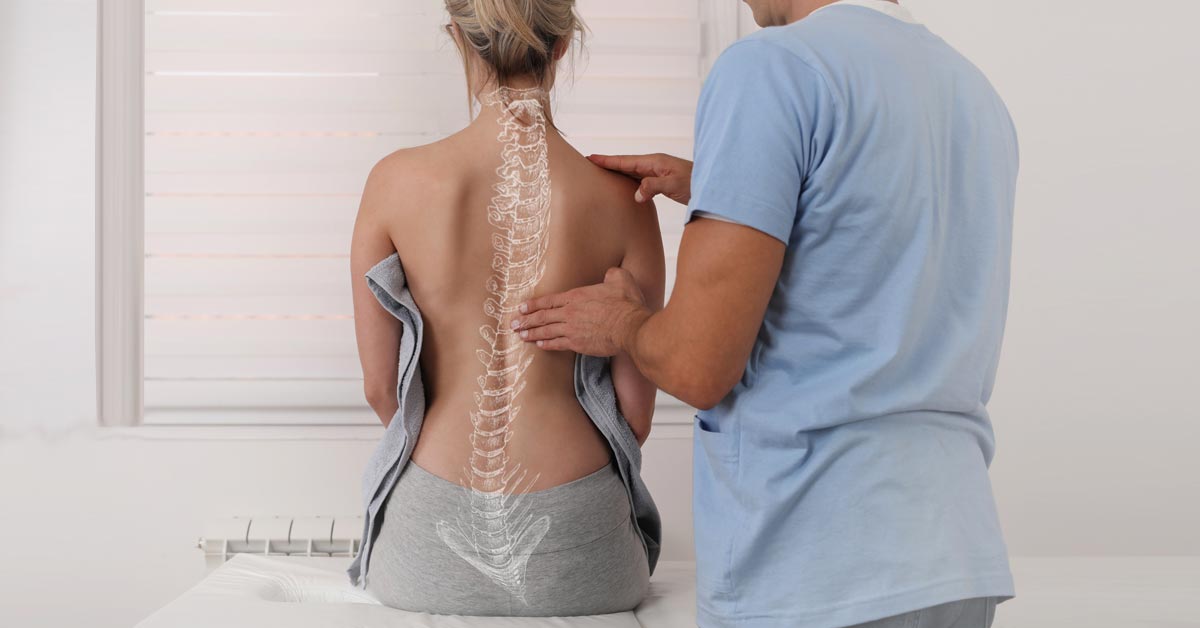
The Spine is undoubtedly one of the most critical and delicate parts of our body and any damage or trauma caused to this part can be extremely painful and can limit the patients from doing even the simplest and routine activities. The Spine and the Spinal Cord together form one of the most crucial neurological structures.
There is a wide range of treatment possibilities for curing every kind of Spinal disorder, but not every Spine condition needs surgery owing to the methods like physiotherapy, medication, etc. that can be helpful in curing these problems.
Our Spine can suffer from situations like a fracture, an infection, can bend unusually or can suffer from a tumor or undergo bone changes that is degeneration of bones that come with aging. A damaged spine can badly interfere with the harmonious functioning of our body, bringing a lot of unwelcome problems like severe pain, numbness and weakness in the arms and legs, breathing difficulties, digestion issues, and impairment of the bladder and bowel control.
Types of Scoliosis
Usually, scoliosis is differentiated on the basis of its cause. But sometimes the location of the spinal curvature may also be considered to differentiate scoliosis. Differentiation on the basis of cause: There are three types of scoliosis in this category: Functional scoliosis In this case, abnormality in the alignment arises due to a problem somewhere else in the body. Specific conditions such as a difference in the length of the legs, muscle spasms, or inflammatory conditions such as appendicitis may give rise to functional scoliosis. Neuromuscular scoliosis This condition develops at the time of bone or spine formation. Bones of the spine do not form completely or they fail to get separated from each other and remain fused during the development of the fetus. Neuromuscular scoliosis often results in C-shaped curvature and muscles eventually become weak while keeping the spine upright. Degenerative scoliosis Adults are more likely to get affected with degenerative scoliosis as it results because of problems such as spondylosis, osteoporosis, and disc degeneration. Abnormal bone spurs are present along with weak ligaments in the spine that may give rise to a diverged curvature of the spine.