

Slip Disc Specialist In Nagpur
Slip Disc Specialist In Nagpur
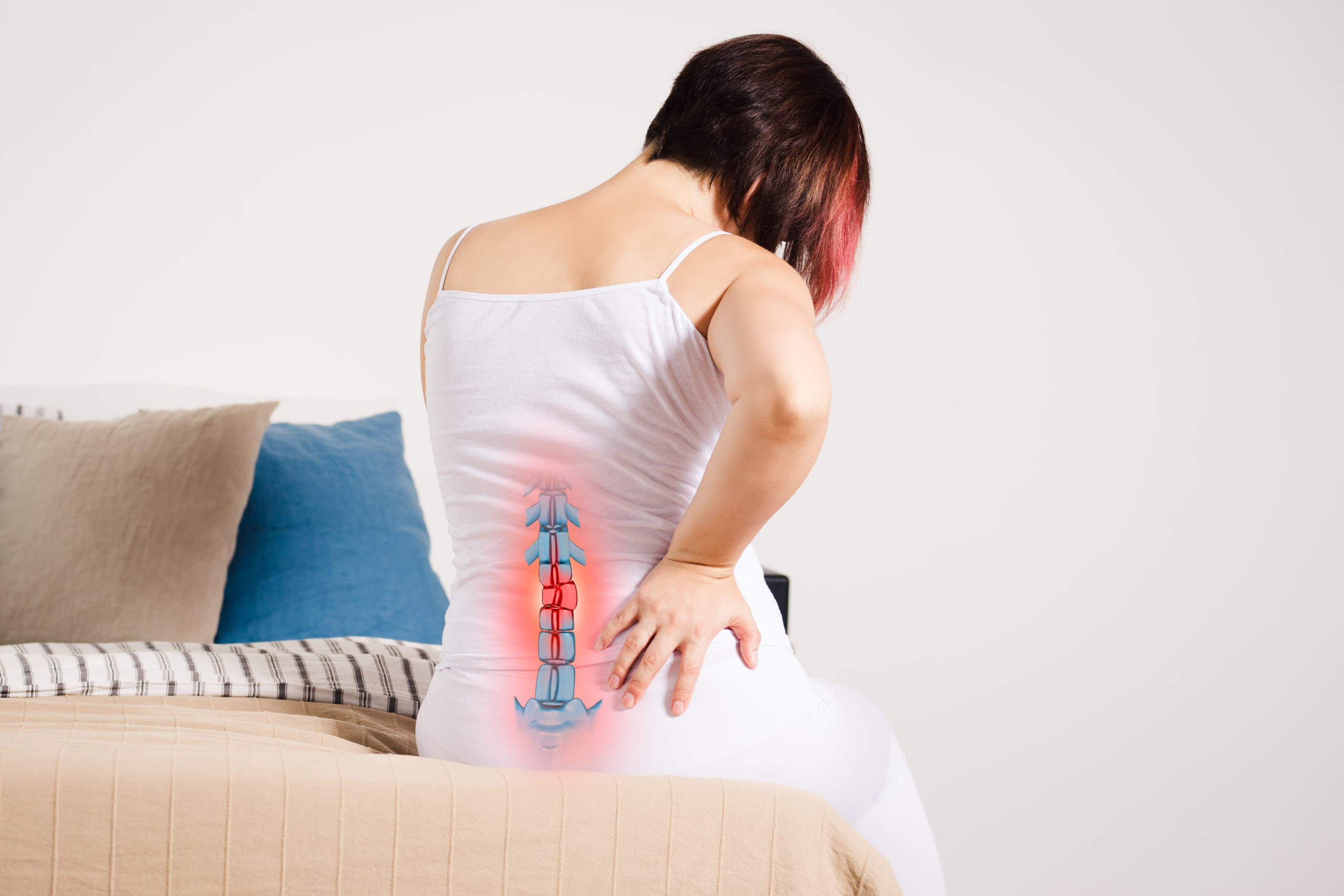
Slipped disc or herniated disc occurs when there is a rupture in the gel-like center of the spinal disc through a weak section in the annulus.
At Matruchhaya Spine and Women’s Care Clinic, we work with highly-qualified and board-certified orthopedic surgeons who treat slip disc. However, practicing some easy physiotherapy exercises can relieve lower back pain. But for severe conditions, a patient needs to undergo Chiropractic Manipulative Therapy (CMT) and Osteopathic manipulation.
They are also prescribed anti-inflammatory medications like non-steroidal anti-inflammatory medications or spinal epidural injections to relieve troubling symptoms. It is best to consult the specialist for a proper diagnosis of the condition and treatment options.
Symptoms of a Slipped Disc
The symptoms may vary as per the position of a herniated disc and the size of the herniation. A patient may feel slight pain or no pain if the slipped disc doesn’t press a nerve. However, some common symptoms are:
Neck pain: A sharp pain is experienced in between shoulder blades and neck. The pain aggravates with sudden movements or uncomfortable position.
Numbness: Many people with slipped discs feel a tingling sensation or numbness in the areas closer to affected nerves.
Weakness: Muscles near the affected nerves weaken and make patients stumble or prone to accidents.
Leg pain: A patient may feel intense pain in the leg (thigh, buttocks, and calf) if a herniated disc is within the lower back.
Treatment:
PCOD Problem Treatment Options
It is important to remember that solutions to the Polycystic Ovarian Disease (PCOD) problem involve both medication and lifestyle changes. Unfortunately, there is no known cure for the condition, but managing the symptoms can improve the quality of life.
- Diet modification can go a long way in managing symptoms and offering PCOD problem solutions.
2. Women leading a sedentary lifestyle must plan and stick to a regular exercise schedule as part of the PCOD solution.
3. Cyclic hormonal treatment and ovulation induction medication can help regulate the menstrual cycle.
4. Skin treatment can help reduce acne and the darkening of the skin.
5. Infertility treatment can help with conception.
Medication and Surgical Treatment Options for PCOD Problem
The symptoms associated with Polycystic Ovarian Disease (PCOD) can be treated with the help of several medicines. In rare cases, your doctor may recommend surgery as well. Some of the treatment protocols for PCOD/PCOS include –
- Progestin – Progestin, a synthetic progestogen, is often recommended to correct amenorrhea or the absence of periods.
- Birth control pills – Some birth control pills contain oestrogen and progestin and help reduce the Androgen levels in the body. This helps combat anovulation.
- Letrozole and clomiphene – Letrozole and clomiphene help induce ovulation.
- Metformin – Metformin reduces insulin resistance and helps with weight reduction as well.
- Immature follicle aspiration – Helps reduce the number of immature follicles, improving ovulation.
How is PCOD Problem diagnosed?
Diagnosis is crucial in finding a solution to PCOD problems. Your gynecologist will start with a physical exam and take a history of your symptoms. The doctor may then recommend tests such as –
1. Blood tests (to check for the hormonal levels, blood sugar, insulin, and cholesterol)
2. Pelvic ultrasound (to look for cysts in the ovaries and measure the lining of the uterus)